An airport may initially close one section because of volcanic ash, flooding, storm damage, or another emergency. A few hours later, the affected area may need cleaning. The following day, maintenance teams may require more working space.
This changing process is an important consideration when selecting Military Barriers for airport disaster response.
Phase 1: Define the Initial Area
The first requirement is usually simple: keep people and unrelated traffic away from the affected section.
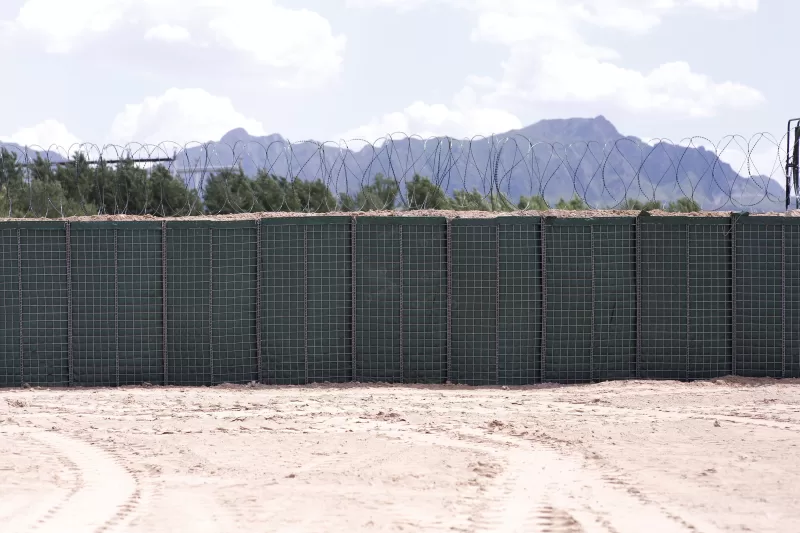
A barrier can establish a visible boundary around the area being inspected, allowing emergency personnel to work without unnecessary movement through the site.
Phase 2: Make Room for Recovery Work
Cleaning equipment, maintenance vehicles, replacement parts and temporary storage may all need space around the original incident location.
Military Barriers can be extended with additional sections to reflect the new working area.
Phase 3: Separate Active Work From Returning Operations
An airport does not always reopen all areas at once.
The result can be a mixed operating environment: normal traffic in one direction and controlled recovery activity only a short distance away.
Temporary barrier layouts can help maintain a clear separation between these activities.
Phase 4: Reduce the Perimeter as Work Finishes
When equipment is removed and repairs are completed, unnecessary sections can be taken out of the temporary perimeter. The remaining barriers can stay around the areas that still require controlled access.
This avoids treating the emergency perimeter as a permanent installation.
Designed for Extended Outdoor Use
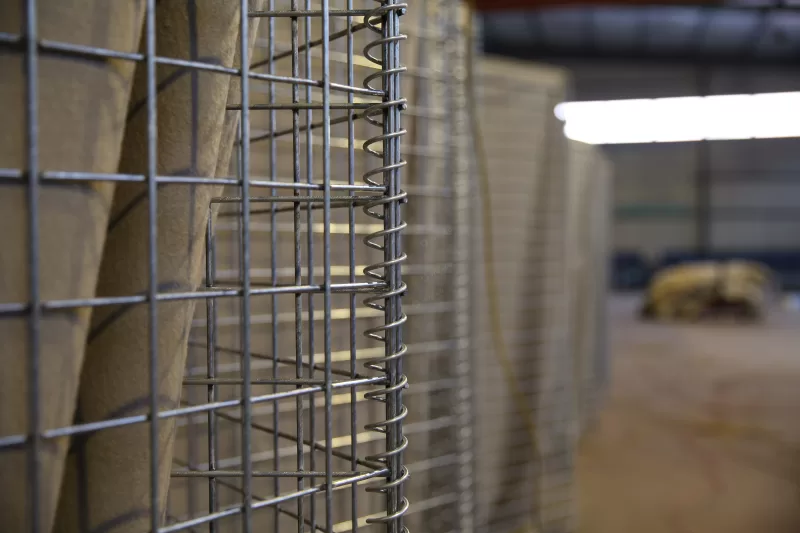
Military Barriers consist of welded steel panels connected by spiral spring wire. Their internal 2 mm polypropylene geotextile liner helps retain fill materials such as soil, sand, gravel or stone.
For airport recovery projects exposed to rain and outdoor conditions, galvanized and zinc-aluminum coating options can be selected according to the required level of corrosion resistance.
Multiple standard sizes and custom configurations also make it possible to match different site requirements.