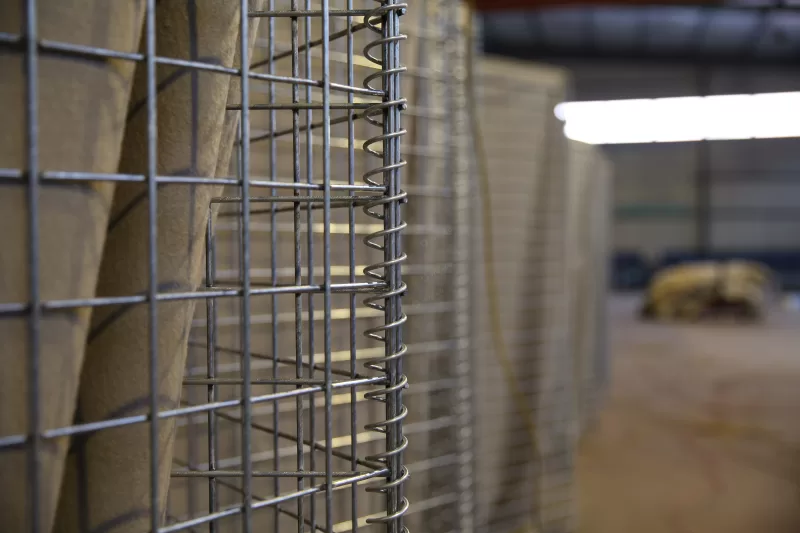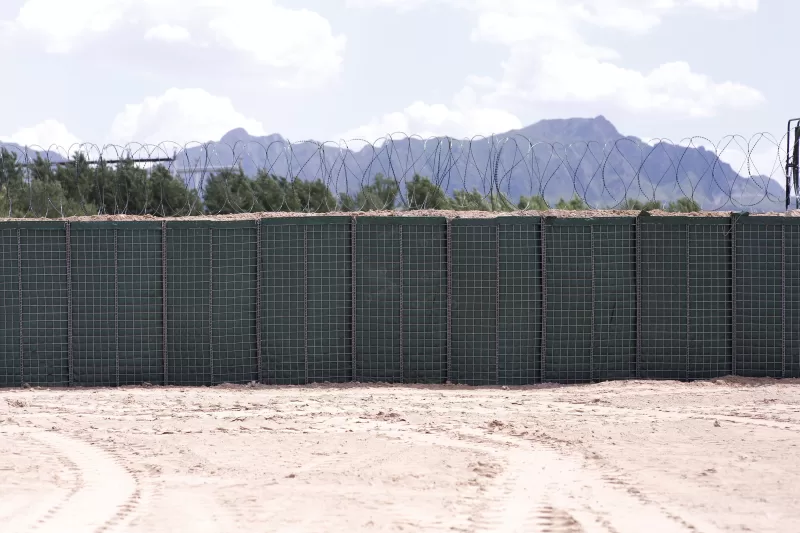
A rapid deployment barrier is the workhorse of modern force protection: a collapsible wire-mesh and geotextile unit that a loader can fill in minutes to form blast walls, anti-vehicle ditches, revetments, and defensive berms. For base commanders and security engineers, understanding when and how to deploy these systems is not optional — it is the difference between a perimeter that works and one that fails in the first attack. This field guide walks through threat scenarios, erection procedures, and configuration best practices.
Why Military Bases Rely on Rapid Deployment Barriers
Bases change shape faster than permanent construction can follow. Force rotations, new threat assessments, route openings, and temporary facilities all demand perimeter defenses that appear quickly and move when the mission shifts. The rapid deployment barrier answers that need: flat-packed units arrive by pallet, and a single excavator or loader erects and fills 300–500 linear meters per day.
Primary Threat Scenarios
Vehicle-borne improvised explosive device (VBIED) standoff
Soil-filled barrier lines create standoff distance that turns a truck bomb into a contained event. Compaction of fill in 300 mm lifts is critical — loose fill reduces energy absorption by up to 40%.
Anti-vehicle ditches and berms
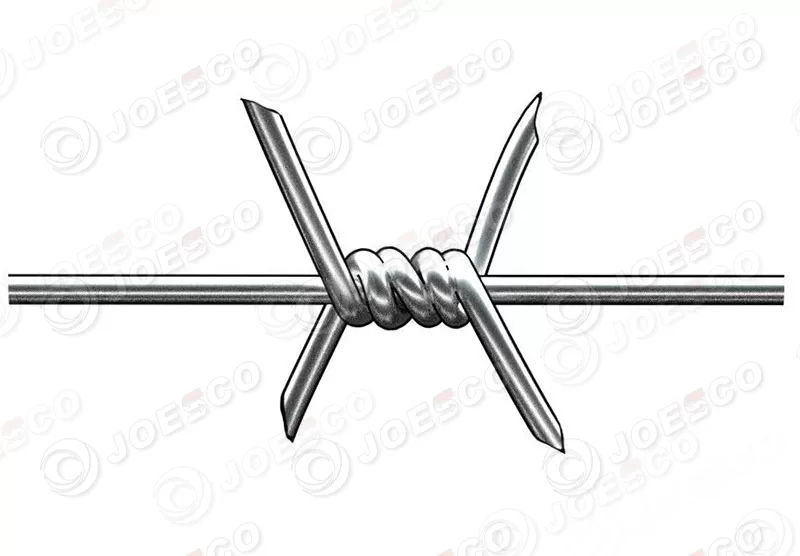
Offset double rows stop ramming attacks, forcing vehicles to slow or stop within the engagement zone. Pair with barbed wire toppings for a complete denial system.
Flood defense for forward operating bases
Monsoon floods and storm surges routinely disable unprepared bases. Barrier lines with membrane-lined cells hold water to full unit height while remaining structurally sound.
Erection Procedure in the Field
- Site preparation: clear debris and level the footprint; no concrete or formwork needed.
- Deployment: unfold the collapsible unit, expand the corner posts, and lock them into position.
- Filling: load soil, sand, or gravel in lifts; compact with a bucket or plate compactor between lifts.
- Stacking: stagger units in a running bond pattern for walls above single-unit height; use tie rods between layers.
- Hardening: add top security wire, CCTV poles, and entry-control points as required.
Full crews with one loader typically complete a 2 m high, 500 m perimeter in under two days. Documentation on certified installations is available in our test and certification records.
Configuration Checklist Table
| Threat | Recommended Configuration | Height |
|---|---|---|
| VBIED standoff | Single row, compacted fill, 30 m from critical assets | 2.0–2.4 m |
| Vehicle ramming | Offset double row with wire topping | 1.5–2.0 m |
| Small-arms / fragment | Double row with 1 m separation, sandbag liner | 2.4 m |
| Flood protection | Membrane-lined single row, keyed into ground | Unit height |
Force Protection Best Practices
Standoff is a function of height, fill quality, and distance — not just the barrier itself. Follow these rules on every site:
- Keep fill material wet-consistent; dry loose sand performs poorly under blast.
- Inspect units weekly for mesh tears, corrosion, and fill settlement; re-compact settled tops.
- Integrate barriers with HESCO barrier walls at entry control points for overlapping fields of fire.
- Record as-built layouts; certification bodies require them for insurance and audit.
Real-world reference projects — from border outposts to humanitarian staging bases — are summarized in our case studies.
Sustainment and Lifecycle Management
A perimeter defense is only as good as its sustainment plan. Plan for these activities on every program:
- Fill management: top off settled cells after the first rainy season; most settlement occurs in the first 90 days.
- Mesh integrity: walk the line monthly and log tears, corrosion spots, and loose lacing; patch with tie wire immediately.
- Vegetation control: keep the barrier clear of climbing vegetation that hides tampering and traps moisture against the mesh.
- Reconfiguration: because units are modular, gate relocations and line extensions take hours, not weeks — a key advantage over permanent walls.
- Audit records: keep as-built drawings and inspection logs; they are required for certification renewal and incident investigations.
Lifecycle cost models typically show soil-filled barriers at 30–50% of the total cost of ownership of comparable permanent construction over a 10-year deployment, before factoring reuse value. Certification documentation for the mesh systems is available in our certification library.
FAQ
How fast can one squad erect a rapid deployment barrier?
A 10-person crew with one loader typically erects 300–500 linear meters of 2 m barrier per day, including fill compaction.
Are these barriers reusable after an incident?
Yes. Units can be emptied, folded flat, and redeployed; damaged cells are replaceable in minutes, which keeps lifecycle costs far below concrete.
Do they require foundations?
No. The mass of compacted fill provides stability; extremely soft ground may need a geotextile base layer.
What heights are available?
Standard units range from 1.2 m to 2.4 m; stacked configurations reach 4 m and above for high-threat perimeters.
Bottom line: for any base that must harden quickly and adapt over time, the rapid deployment barrier delivers certified protection at a fraction of the cost and schedule of permanent construction. Contact our force-protection specialists for a threat-based configuration and quote.