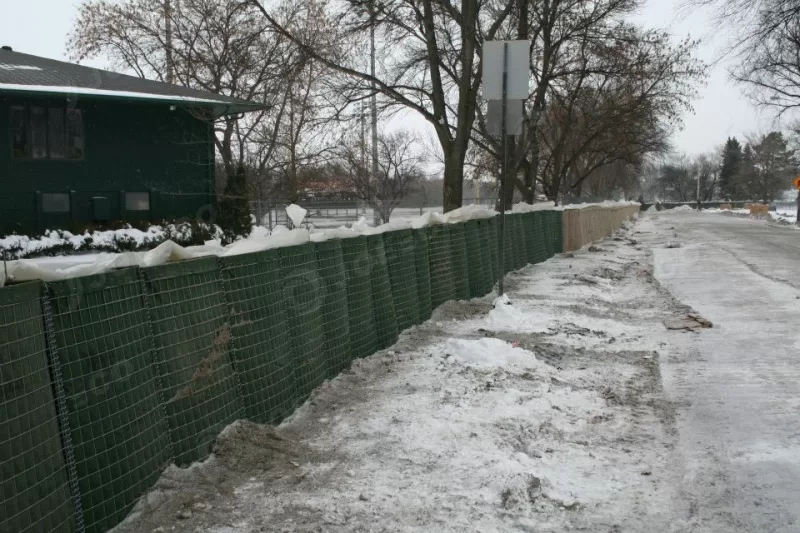
The weather radar flashes red, and the countdown to disaster begins. When a severe storm warning hits, municipal emergency managers have mere hours to secure vulnerable riverbanks, coastal lines, and urban centers before floodwaters overwhelm the community.
If your city is still relying on traditional sandbags, you are fighting a losing battle against time and rising hydrostatic pressure.
Why Traditional Sandbags Fail Your City
1.High Seepage Rates: Water easily finds gaps between individual sandbags, causing sudden wall blowouts and catastrophic structural failures.
2.Severe Labor Shortages: Filling hundreds of thousands of individual bags drains local manpower that should be directed toward resident evacuation and rescue operations.
3.Disposal Nightmares: Saturated sandbags leave behind massive amounts of contaminated waste and debris that cost cities a fortune to clean up post-storm.
The Modern Solution
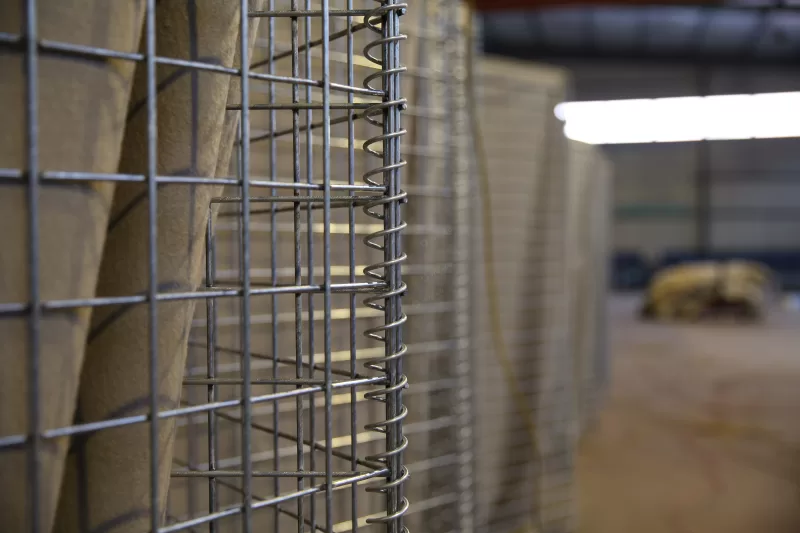
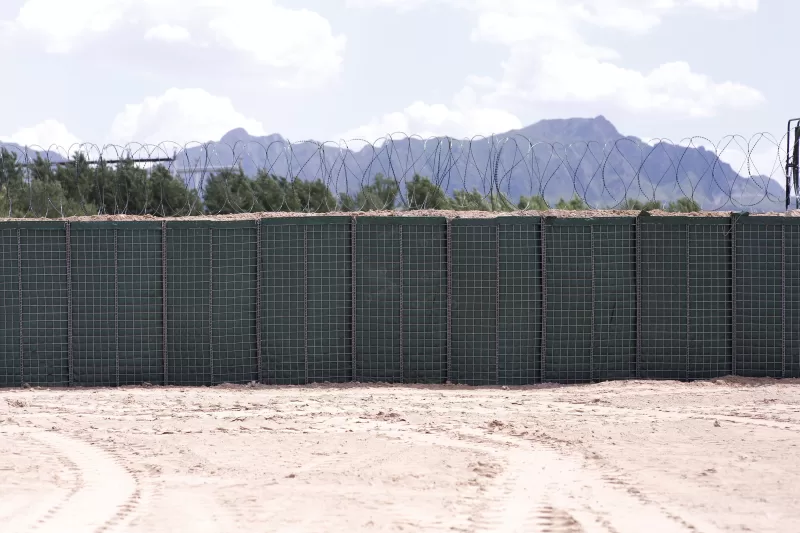
By adapting military-grade engineering for civilian disaster relief, city planners can deploy robust force protection solutions that outperform conventional methods across every metric.
1.Lightning-Fast Setup: Fill modular cellular units using local clean fill and standard municipal machinery to complete installations up to 10 times faster than manual bagging.
2.Hydraulic Stability: Interlocking structural designs distribute water weight evenly, neutralizing strong currents and preventing structural rollover.
3.Eco-Friendly and Reusable: Units can be entirely emptied, removed, and stored flat after the floodwaters recede, leaving zero permanent environmental footprint.
Do not let inadequate flood preparation jeopardize your community’s safety and your municipal reputation.
Pre-position flat-packed barrier stock in historically vulnerable flood zones across the city.Deploy units rapidly with a minimal crew as soon as flood warning triggers are activated.