-
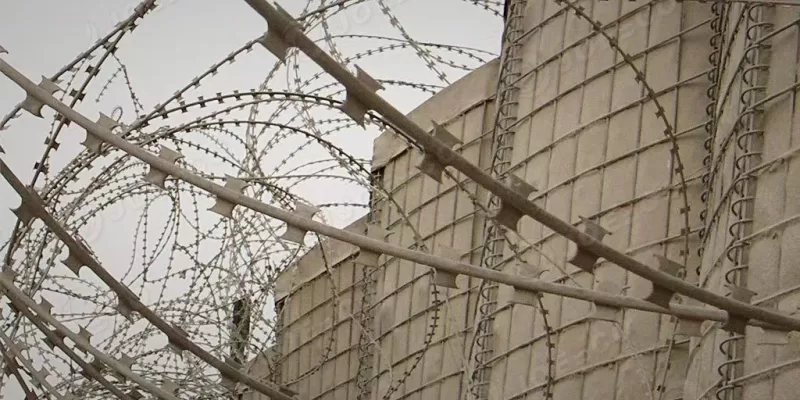
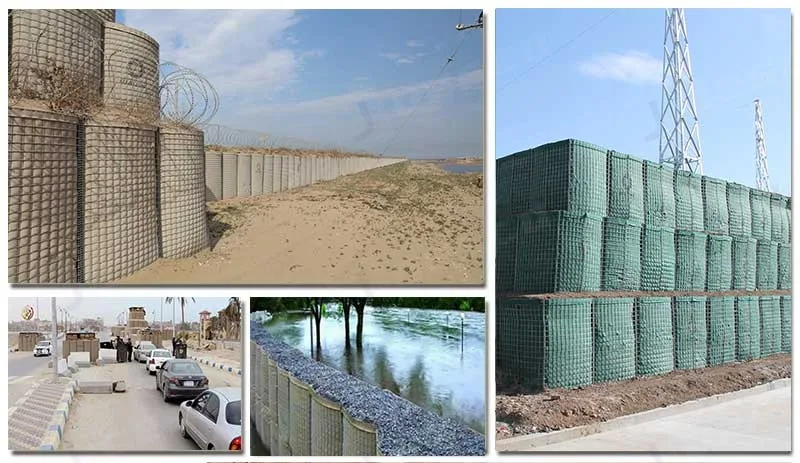
Base Protection: Deployed quickly around camps and filled with local sand or gravel, they can establish a physical barrier against small arms fire and blast fragmentation within hours. They protect not just equipment and supplies, but also provide peace of mind for soldiers during rest. -
Support for Forward Positions: When establishing defensive posts in unfamiliar terrain, traditional fortifications take too long. The advantage of JOESCO is that it is “ready upon arrival,” providing troops with critical cover quickly and reducing exposure time to threats. -
Contractor Area Segregation: Even in rear support areas, workspaces need to be separated from potential risks. Using JOESCO barriers to define a secure perimeter is simple and effective.
-
Border Control: In complex border terrain, it helps quickly establish a temporary yet effective barrier. It has been used to swiftly delineate control lines; its mere presence acts as a strong deterrent and guide. -
Emergency Scene Isolation: At terror attack sites, large-scale riots, or around major accidents, the priority is to cordon off a safe zone. Response teams can rapidly deploy JOESCO barriers to isolate the danger area from the public and media, creating space for operations. -
Critical Site Protection: For key infrastructure like airports and power stations, which require protection against vehicle ramming and other attacks, JOESCO barriers form a solid physical vehicle barrier, serving as a reliable component of the security perimeter.
-
Flood Levees & Dikes: Along riverbanks or coastlines, traditional sandbag levees are time-consuming and labour-intensive during rising water. The JOESCO barrier system can be filled rapidly using machinery, constructing long, high flood walls in a very short time, buying precious hours for evacuating people and assets. -
Post-Disaster Area Control: After a disaster, scenes are often chaotic. JOESCO barriers can be used to quickly seal off dangerous areas (e.g., around collapsed buildings) or to mark safe passages and rescue operation zones, bringing order and efficiency to relief efforts.
-
Plant Hazard Zoning: In chemical plants, mines, or large logistics yards, JOESCO is commonly used to isolate high-risk work areas, protect critical equipment, or contain hazardous materials. Its sturdy structure can effectively absorb impacts from accidents, preventing them from escalating. -
Construction Site Perimeter Protection: On construction sites adjacent to roads or residential areas, erecting JOESCO barriers effectively prevents falling object injuries and clearly defines the work zone, improving on-site safety management for both passersby and workers inside.