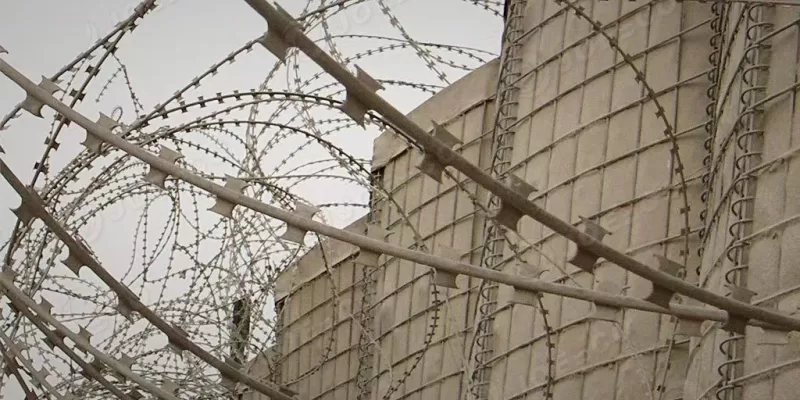
A fence installed in a dry inland area does not face the same conditions as one exposed to heavy rain, humidity, or coastal air.
For buyers comparing outdoor fencing materials, the local environment should be considered before the product is selected.
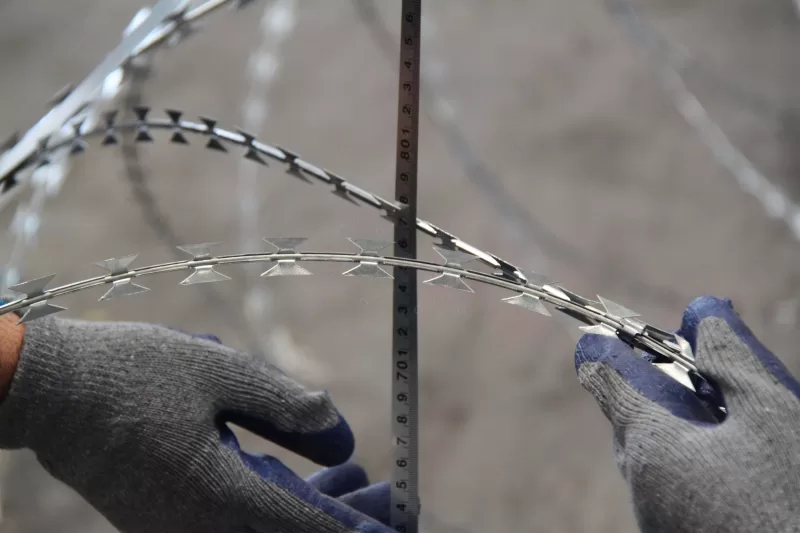
Rain Is Not the Only Concern
Moisture is an obvious issue, but outdoor fencing also experiences temperature changes, sunlight, wind, and seasonal weather.
Over time, these conditions can affect untreated or poorly protected steel wire. Once corrosion becomes significant, the wire may lose its useful strength and require earlier replacement.
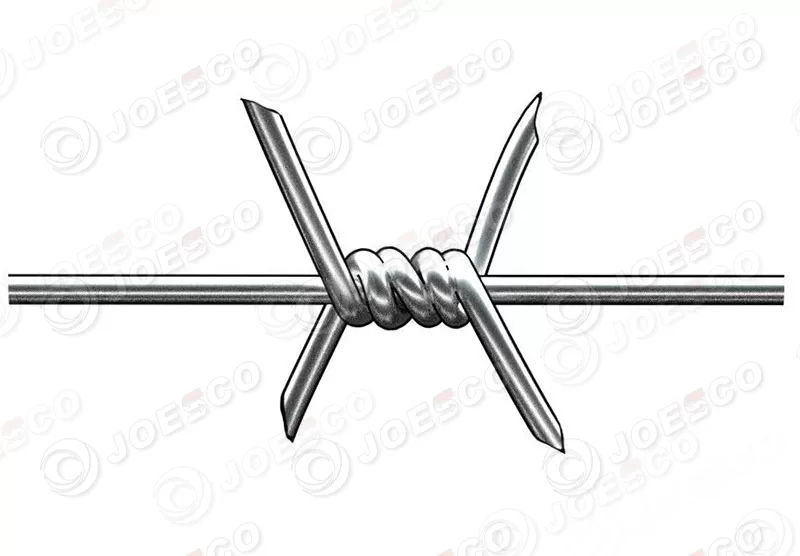
This is one reason galvanized barbed wire is widely used for outdoor fencing. The zinc coating provides a protective layer between the steel and the surrounding environment.
Think About the Location
A warehouse in a dry climate may have different fencing requirements from a farm located in an area with frequent rainfall.
Before ordering, buyers should consider:
Climate: Is the fence exposed to frequent rain or high humidity?
Exposure: Is the perimeter completely open to weather, or partly protected?
Maintenance access: Can workers easily inspect the entire fence?
Service expectations: Is the buyer looking for a short-term boundary or a longer-lasting outdoor installation?
Why Galvanized Steel Wire Is Practical
For farms, storage yards, industrial properties, and construction-related applications, fencing needs to remain functional through changing weather conditions.
Galvanized steel wire provides a combination of steel strength and corrosion protection without making the fence unnecessarily complicated.
When a project requires an outdoor wire boundary that must remain exposed to changing weather, galvanized wire is a practical option worth considering.
For buyers planning a large outdoor barbed wire installation, evaluating climate and maintenance requirements before purchasing can prevent unnecessary replacement costs later.