Recent volcanic activity in Guatemala forced hundreds of residents to leave their homes as ash, hot gases, and volcanic debris threatened nearby communities.
For emergency teams, the situation created a familiar problem:“How can we build temporary protection infrastructure when people need help immediately?”
This is where flexible solutions such as Military Barriers can support modern disaster response operations.
A Modular Solution For Uncertain Conditions
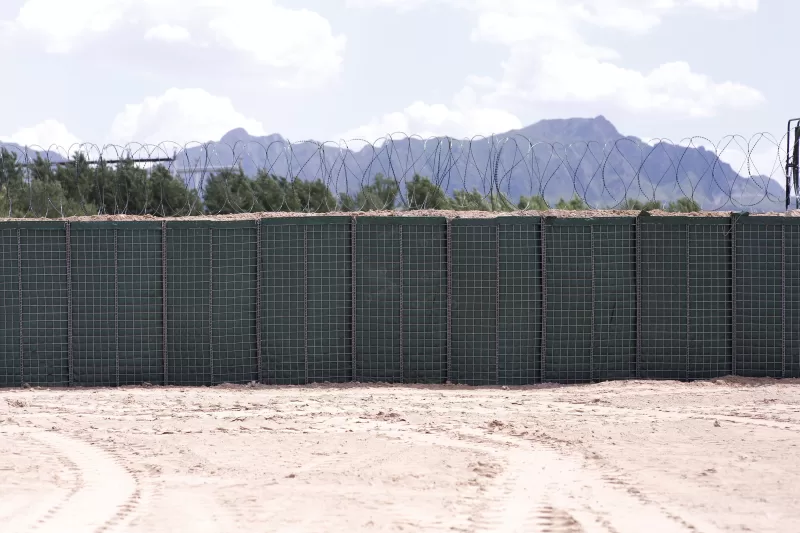
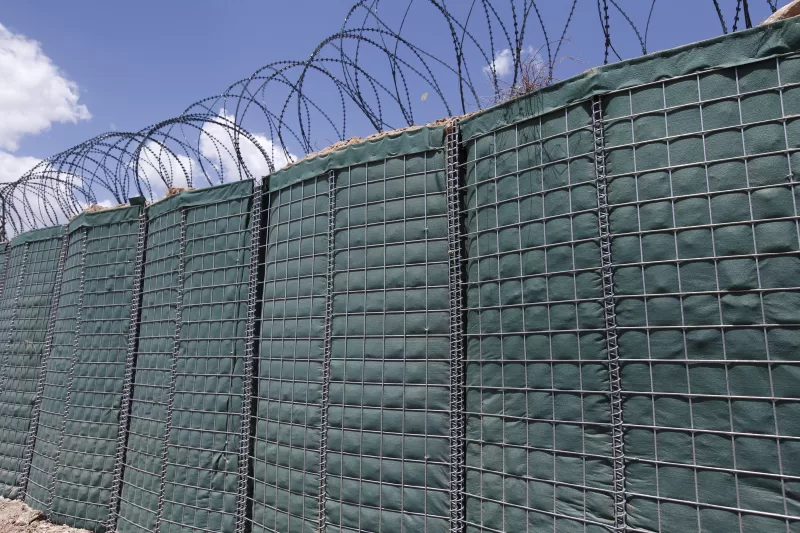
Military Barriers were originally developed for demanding protection environments, but their modular design also provides advantages for emergency applications.
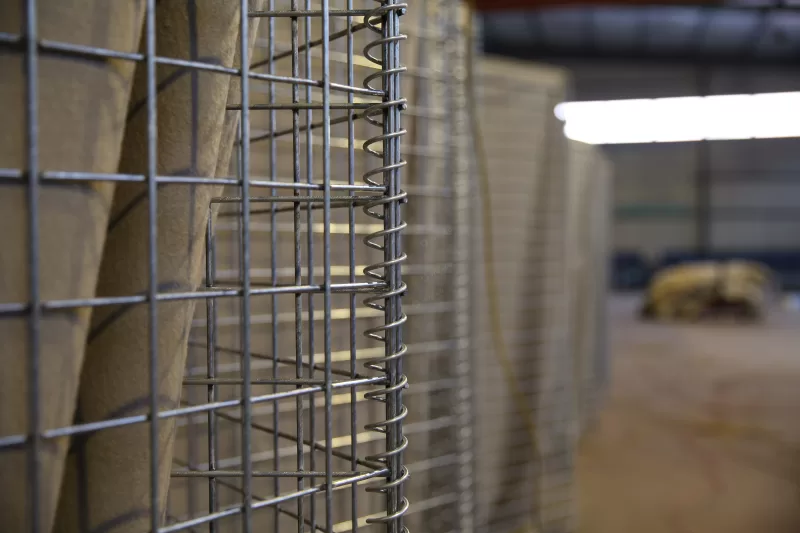
The system consists of:
- Welded steel mesh panels
- Spiral spring-wire connections
- Durable geotextile liner
After deployment, the units can be filled with locally available materials such as:Sand/Soil/Gravel/Stone
This allows emergency teams to create protective structures without transporting large amounts of construction materials.
Supporting Safer Emergency Zones
During volcanic disasters, risks are not limited to the eruption itself.
Secondary hazards may include:
- Falling debris
- Mud and sediment movement
- Damaged infrastructure
- Unstable surrounding areas
Military Barriers can help create controlled areas around:
1.Emergency facilities
Providing additional separation around temporary operation zones.
2.Equipment locations
Helping protect important response equipment.
3.Access areas
Supporting safer organization of emergency routes.
Disaster response requires infrastructure that can move as quickly as the crisis itself.Modern protection systems must provide more than strength.
They need:
✔ Fast deployment
✔ Adaptable design
✔ Reliable outdoor performance
✔ Reduced construction dependence
With their modular structure and durable materials, Military Barriers provide a practical option for emergency response teams, government projects, and disaster management organizations.