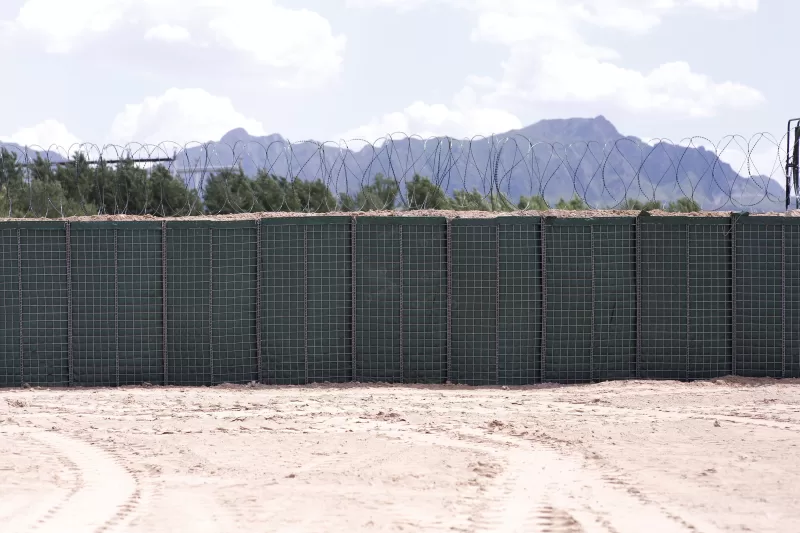
Today, military bases need protection systems that can respond to changing threats, including blast risks, projectile impacts, and emergency security requirements.
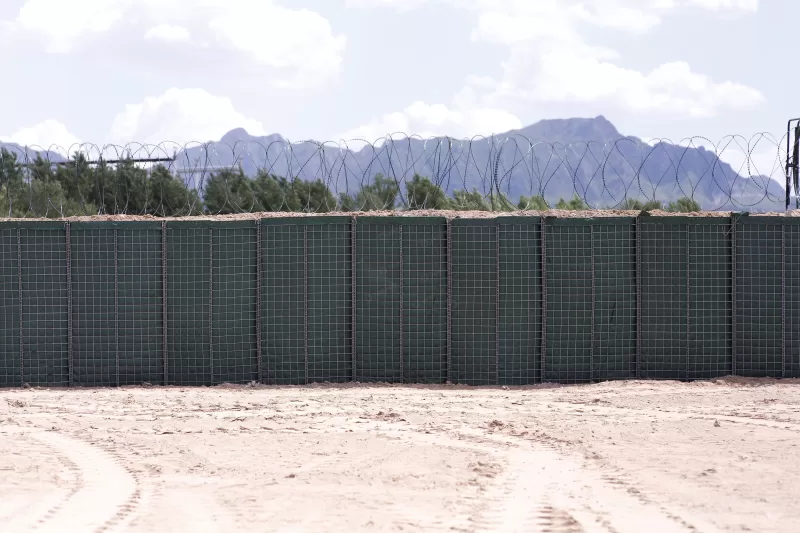
A common question from defense planners is:
“How can we strengthen a military base quickly without building expensive permanent structures?”
Changing Requirements for Military Base Security
Traditional protection methods, such as concrete walls and earth berms, have been widely used for decades.
However, they often have limitations:
- Long construction periods
- High transportation costs
- Limited flexibility
- Difficult modification after installation
A temporary command center, vehicle area, ammunition storage zone, or logistics hub may need additional protection within a short period.Modular barrier systems provide a faster and more flexible approach.
How Military Base Protection Barriers Work
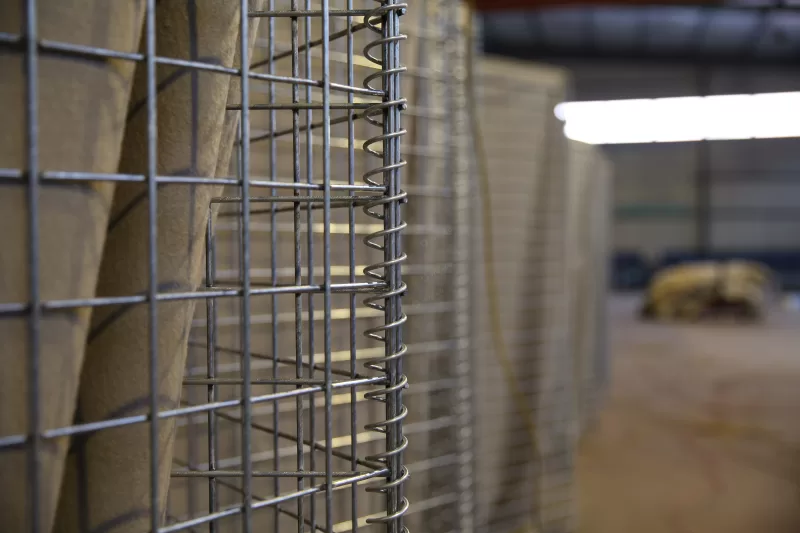
A Military Base Protection Barrier is a modular defensive structure made from:
High-strength welded steel wire panels
Spiral spring-wire connections
Heavy-duty polypropylene geotextile liner
Key Advantages for Military Facilities
- Flexible Base Layout Protection
- Rapid Deployment Capability
- Reliable Blast and Fragment Protection
Material Performance in Harsh Environments
Electro-Galvanized Coating
Zinc and aluminum alloy protection
Average coating weight ≥145 g/m²
Hot-Dip Galvanized Treatment
Available options:120 g/m²、250 g/m²
These treatments improve resistance against:
Rain
Humidity
Coastal salt exposure
Building Stronger Defense Infrastructure