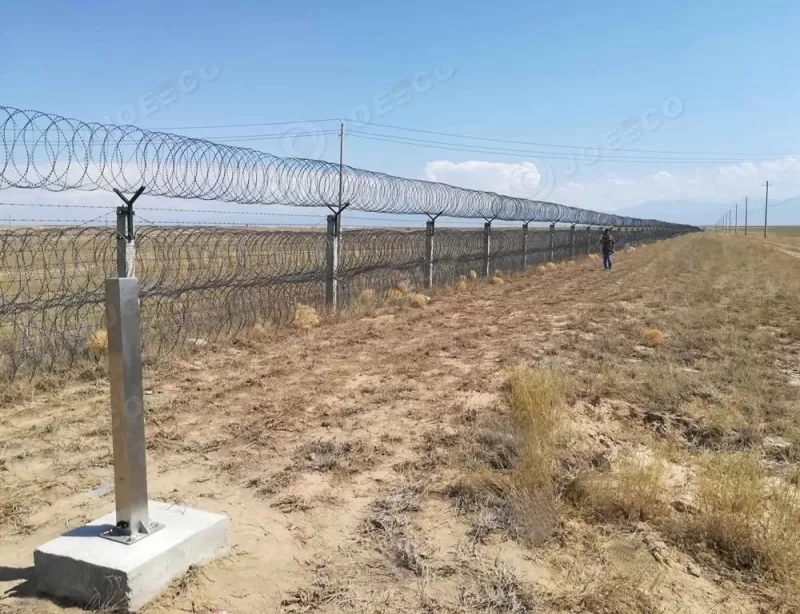
Military facilities and temporary operational sites often require reliable perimeter protection. In these environments, barriers need to be practical to transport, straightforward to deploy and adaptable to different site layouts.
How are these systems designed, and what should buyers consider before selecting one?
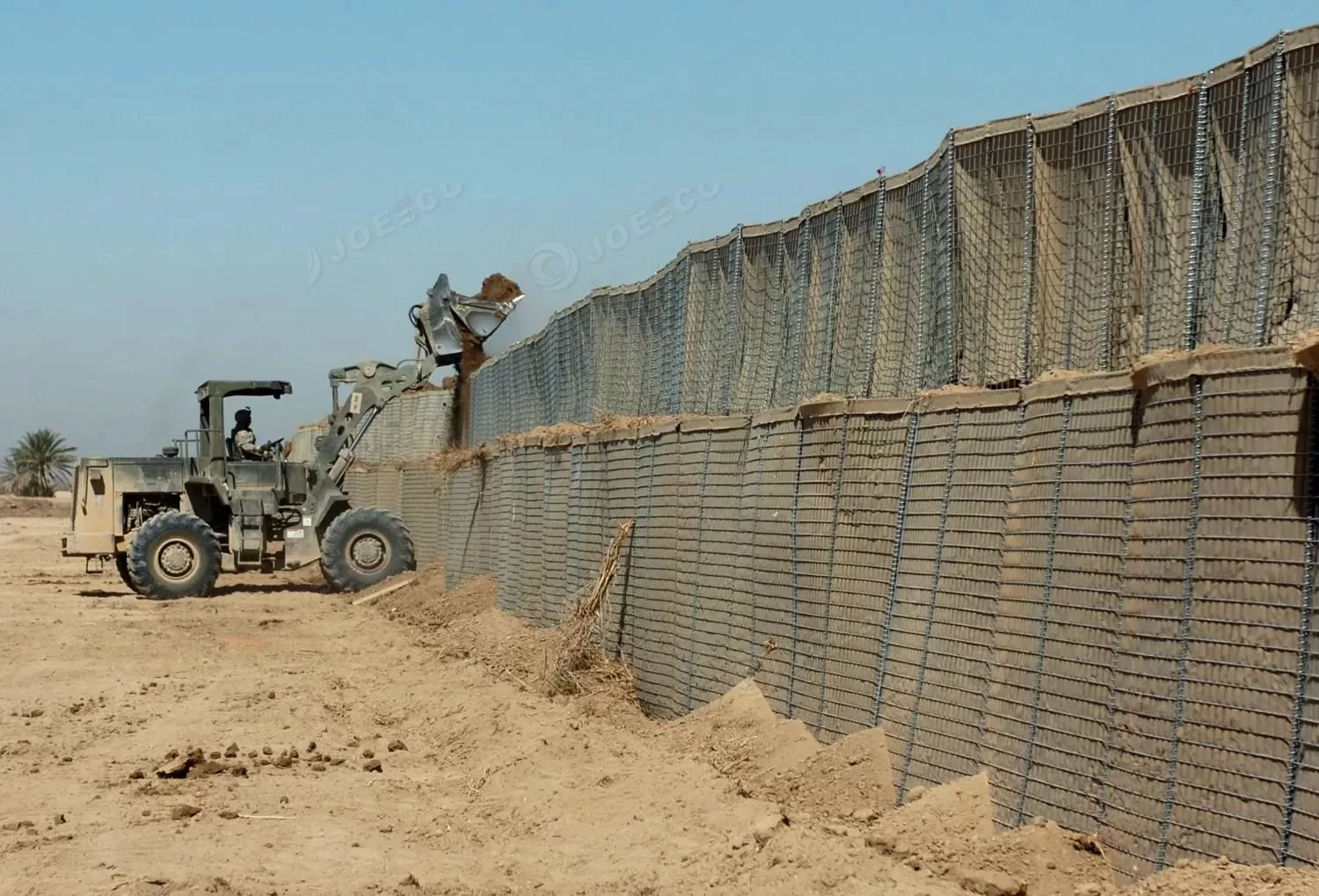
1. Understanding the Basic Structure
A modular defensive barrier typically consists of several key components:
- Steel mesh structure: provides the main supporting framework.
- Geotextile liner: helps retain filling material inside the structure.
- Connection components: allow individual units to be joined together.
- Filling material: provides the mass required by the designed system.
The exact construction depends on the product model and manufacturer. When comparing products, buyers should review material specifications, dimensions, connection details and available technical drawings.
2. Why Modular Design Matters
A modular system can be planned around the available space and operational requirements. Additional units may also be incorporated when the system design allows expansion.
This flexibility makes modular construction relevant to:
- Military base perimeter protection
- Temporary operational facilities
- Checkpoint protection
- Infrastructure security
- Emergency deployment projects
3. What to Consider Before Deployment
- Ground conditions: soil type, surface stability and site accessibility can affect installation.
- Transportation: packaging, loading, unloading and storage requirements should be considered before delivery.
- Installation: buyers should understand the assembly process, required equipment, labour and connection methods.
- Environmental exposure: outdoor applications may require suitable materials and corrosion protection.
- Performance requirements: specialized applications may require engineering calculations and independently verified test documentation.
Conclusion
Modular military defensive barriers provide a configurable approach to temporary perimeter protection. Their suitability depends on structural design, site conditions, deployment requirements and verified technical performance.
For military contractors and project buyers, understanding these factors is an important first step toward selecting the right barrier system. Contact our team to discuss your project requirements.