Project Overview:
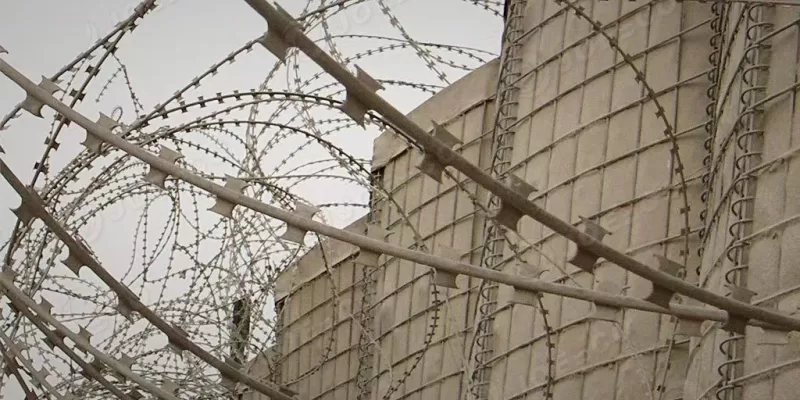
The discovery of large-scale WWII bombs—often weighing between 250kg and 500kg—in populated areas presents a massive logistical challenge. The JOESCO Heavy Barrier was selected for its ability to contain high-velocity shrapnel and suppress blast waves. During these operations, JOESCO walls typically reduce the required evacuation radius by up to 70%, minimizing disruption to local infrastructure.
Technical Specifications and Structural Design
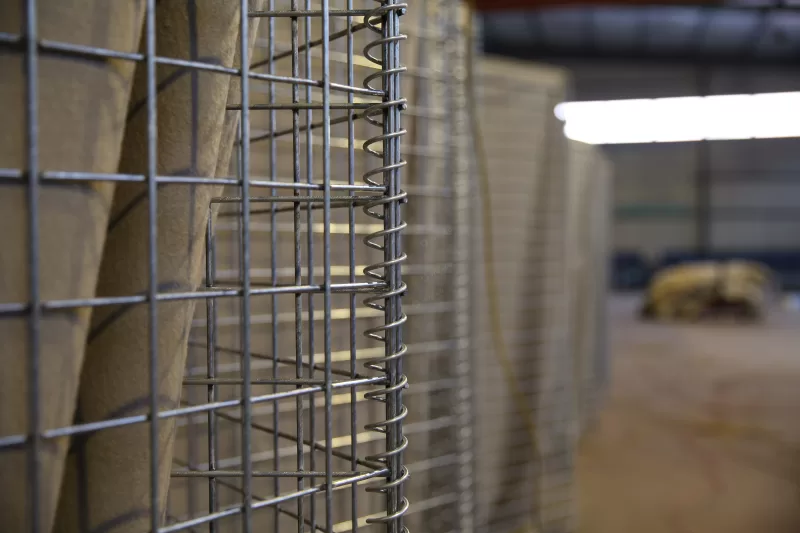
Materials:4mm to 5mm high-tensile galvanized steel wire mesh.
Containment: Each unit is lined with heavy-duty 300g/m² non-woven polypropylene geotextile.

height:2.21m (MIL 7 size), create a wall with a base width of 2.13m.
Performance Advantages
Blast & Fragmentation Shielding: A 1m thick JOESCO wall stops 99% of high-velocity shrapnel and small-arms fire.

Rapid Setup: 4 personnel and 1 loader can deploy 100 meters in under 20 minutes—10x faster than sandbagging.
Modular Scalability: Units stack up to 4.4 meters high, doubling blast suppression while maintaining structural stability.
Step-by-Step Installation Guide
Unpack and Position: Remove the flat-packed units from the pallet and stretch them out to their full length.
Join Units: Insert the provided joining pins (vertical spiral binders) through the overlapping mesh of adjacent cells to create a continuous wall.
Fill with Material: Use a front-end loader or excavator to fill the cells with sand, gravel, or local earth. Ensure the cells are filled evenly to maintain shape.
Conclusion
The use of JOESCO barriers in NATO UXO missions demonstrates that military-grade protection is essential for civilian safety.