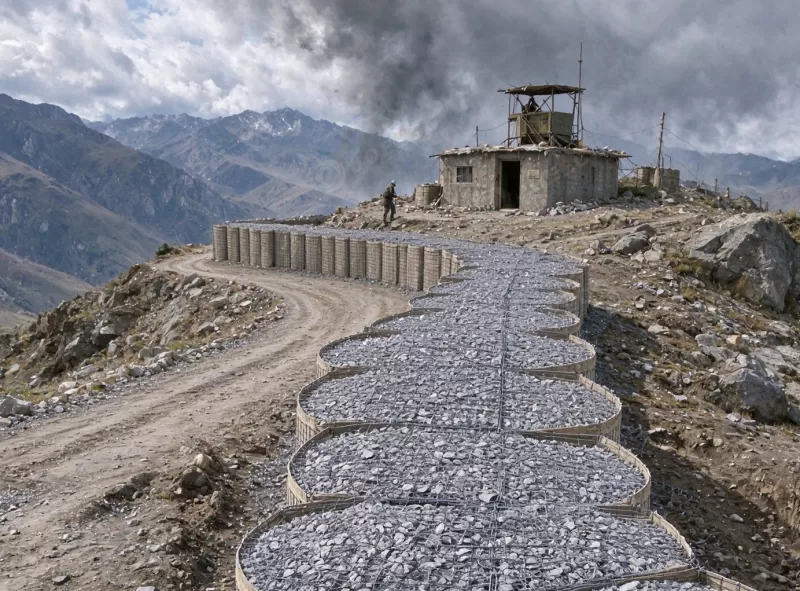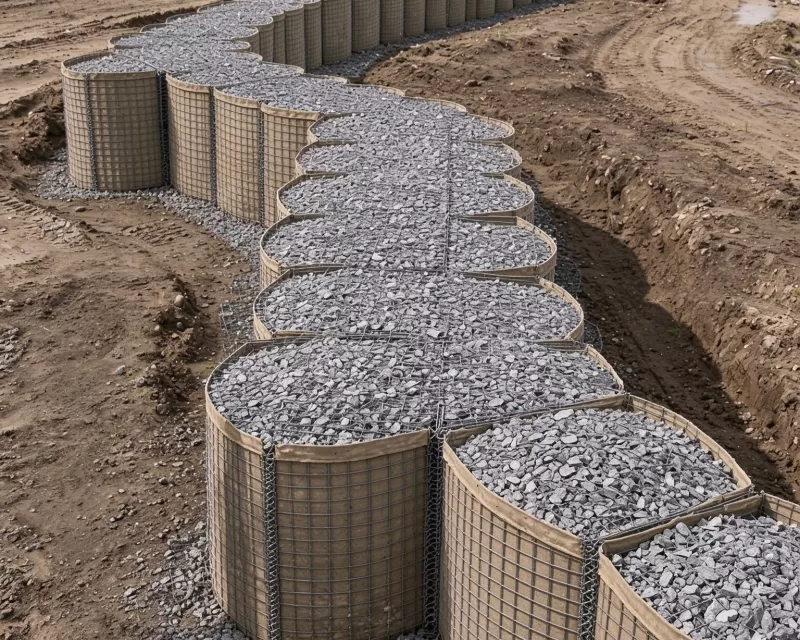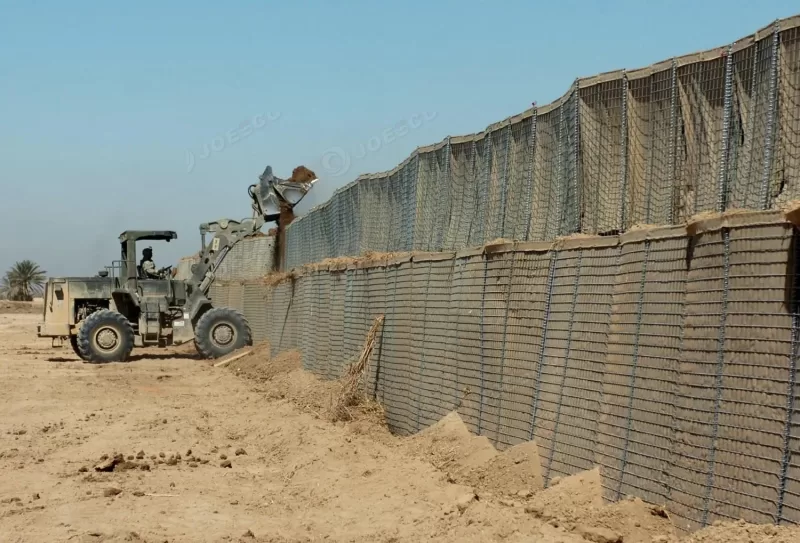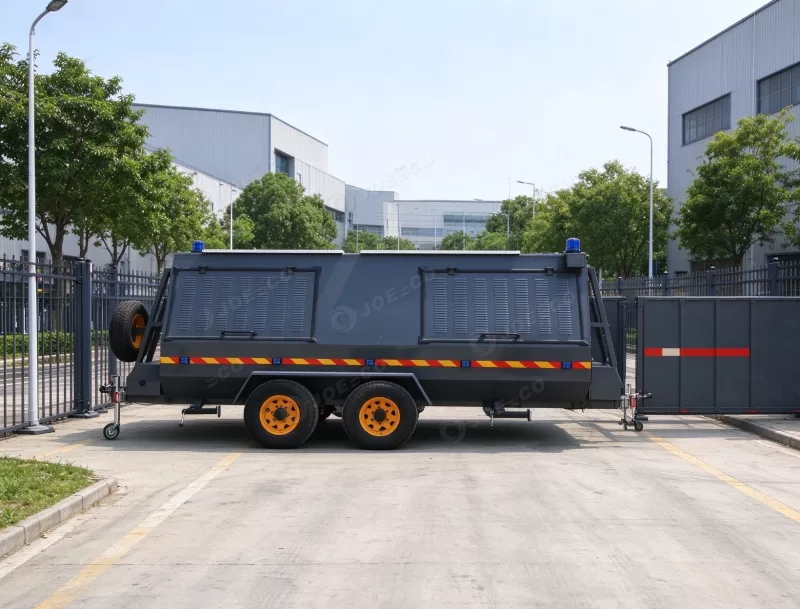
A border checkpoint, military facility and international event venue may all require temporary perimeter protection, but their requirements are rarely identical. Unit length, wire configuration, transport arrangements and available deployment space can change the right selection.
For a specific security project, buying a standard configuration without checking these details can lead to unnecessary equipment or insufficient coverage.
Choose the Configuration Around the Project
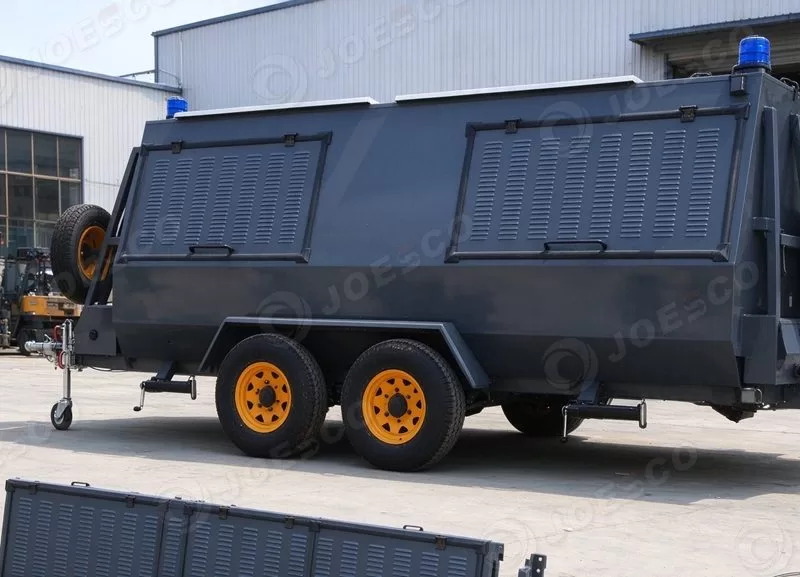
Rapid Deployment Barriers can be supplied in configurations that match the planned security line. A short barrier may suit a restricted entrance, while a larger project may require multiple units across a long boundary.
- Unit length: Typical configurations cover approximately 10 to 80 metres per unit.
- Concertina wire: BTO-22 and CBT-65 options can be discussed for the intended application.
- Frame construction: A 6 mm galvanized steel frame is designed for outdoor use and repeated deployment.
Plan Deployment, Recovery and Storage
The wire is pre-installed on the mobile frame. Operators secure the wire end and move the unit forward to release the barrier along the required perimeter. After use, the unit can be recovered, compressed and prepared for storage or reuse.
What to Confirm With the Factory
Project buyers can confirm suitable unit lengths, available wire configurations, required quantities, and transport and storage arrangements before production. This approach helps match the supplied barrier to the actual site rather than a catalogue description alone.
Share the coverage requirement and site conditions with our team to review a suitable configuration and quotation.