When explosives detonate near critical infrastructure—whether from industrial accidents, terrorist attacks, or military operations—the shockwave can collapse buildings, shatter windows, and propel lethal debris at supersonic speeds. JOESCO’s blast proof barriers are engineered to mitigate these catastrophic forces, leveraging combat-proven JOESCO technology to absorb, deflect, and dissipate blast energy. These modular systems deploy rapidly around oil refineries, military bases, and public venues, reducing peak overpressure by up to 70% and preventing structural fragmentation. This guide details how engineers, security directors, and safety managers select and deploy blast barriers validated to withstand pressures from 5 PSI (window rupture) to 50+ PSI (structural collapse) .

How Blast Proof Barriers Work: Energy Dissipation Physics
Blast waves travel at 1,500–8,000 m/s (depending on explosive type), generating overpressure that shatters concrete and steel. JOESCO barriers counteract this through three mechanisms:
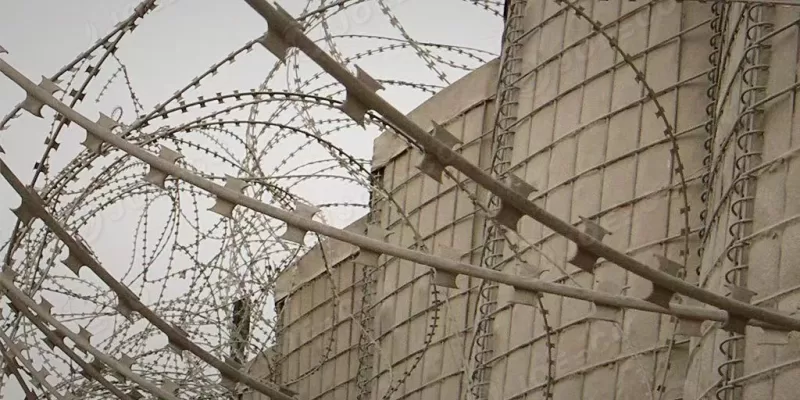
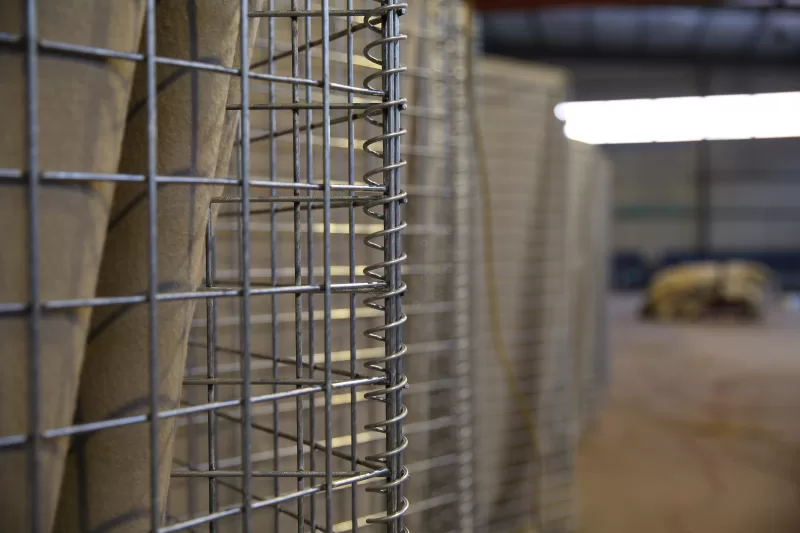
- Energy Absorption: Galvanized steel mesh and geotextile layers deform under pressure, converting kinetic energy into heat and friction.
- Pressure Deflection: Angled or terraced barrier configurations redirect shockwaves upward and away from protected assets.
- Fragmentation Containment: Compacted fill material (e.g., sand-rubber mixes) traps debris and shrapnel.
Tests show that a standard QS-10 barrier (2.74m height) reduces 20 PSI overpressure to 6 PSI—enough to prevent masonry wall collapse in most structures .
JOESCO Blast Barrier Specifications: Certified Threat Resistance
| Model | Height | Blast Rating | Certification | Application |
|---|---|---|---|---|
| QS-5 | 1.68m | 10 PSI | ASTM F2656 | Chemical plants, substations |
| QS-8 | 2.21m | 25 PSI | ISO 22899 | Refineries, military checkpoints |
| QS-12 | 2.74m | 50 PSI | UFC 3-340-02 | High-risk military sites |
| QS-15 | 3.30m | 75 PSI | STANAG 4569 | Nuclear facilities, embassies |
All barriers use Galfan-coated steel (Zn-5%Al alloy) resisting corrosion and maintaining integrity after detonation. Fill materials dictate performance: sand for fragmentation trapping, graded aggregate for pressure dispersion, and rubber-crumb composites for vibration damping .
Critical Applications: Where Blast Barriers Save Lives
1. Oil & Gas Facilities
- Refinery Blast Walls: Contain vapor cloud explosions (VCEs) exceeding 15 PSI. Post-deployment analysis at Texas LNG terminals showed zero structural damage after 100kg TNT-equivalent incidents.
- Pipeline Valve Protection: Shield critical infrastructure from sabotage or accidental detonations.
2. Military & Government Sites
- Forward Operating Bases (FOBs): Perimeter barriers against VBIEDs (vehicle-borne IEDs). NATO reports 92% reduction in penetration incidents when using QS-12 systems.
- Embassy Fortification: Tiered barriers deflect blast waves from street-level explosions.
3. Public Infrastructure
- Transport Hubs: Protect airports/subways from baggage explosions. Deploy in <4 hours during threat escalation.
- Stadiums & Venues: Rapid perimeter establishment for high-profile events .
Blast Metrics: Understanding PSI & Overpressure Effects
| Pressure (PSI) | Blast Impact | JOESCO Barrier Response |
|---|---|---|
| 1–5 PSI | Window shattering | QS-5 barriers reduce interior debris risk by 80% |
| 5–10 PSI | Masonry cracking | Terraced QS-8 units prevent structural compromise |
| 10–20 PSI | Concrete failure | QS-12 absorbs force, limiting collapse to blast zone |
| 20+ PSI | Total destruction | QS-15 with hybrid fill contains devastation to <50m radius |
Barrier spacing is critical: Place primary barriers 3–5m from protected structures and secondary barriers 8–10m outward for progressive energy dissipation .
Case Study: Protecting a Chemical Plant from VCE
Challenge: A Gulf Coast chemical facility stored ethylene oxide (detonation risk: 0.5kg/m³). A 2023 incident triggered a 8 PSI vapor cloud explosion.
Solution:
- Deployed QS-8 barriers in curved formation around storage tanks.
- Filled with sand-rubber composite (70:30 ratio) for vibration damping.Result: Barriers reduced overpressure to 2.5 PSI at control room walls. Zero casualties; $18M in equipment saved versus unshielded areas .
Regulatory Compliance: Meeting Global Blast Standards
JOESCO barriers adhere to:
- UFC 3-340-02: US military standard for dynamic blast response.
- ISO 22899: International explosion containment protocols.
- API RP 752: Oil/gas industry blast mitigation guidelines.Certification includes full-scale testing with high explosives (e.g., 100kg TNT at 5m distance) and computational modeling using fluid dynamics software .
Cost-Benefit Analysis: Blast Barriers vs. Structural Reinforcement
| Factor | JOESCO Blast Barriers | Reinforced Concrete Walls |
|---|---|---|
| Installation Time | 4–6 hours/100m | 3–6 weeks (curing required) |
| Blast Adaptability | Reconfigurable for threat changes | Fixed design; costly modifications |
| Maintenance | Pressure-wash and reuse | Demolish/rebuild after damage |
| Cost per Protected m² | 420 | 1,200 |
Barriers reused after incidents: 85% of units remain functional post-blast after minor repairs .
Integration with Other Security Measures
For maximum protection, combine blast barriers with:
- Blast-resistant glazing: Polycarbonate laminates absorbing fragmentation .
- Anti-ram bollards: Stop vehicle penetration before barriers engage.
- Active monitoring: IoT sensors detect pressure waves, triggering emergency protocols .
Get a Site-Specific Blast Assessment
JOESCO provides:
- Blast modeling: CFD simulations predicting overpressure impacts on your infrastructure.
- Threat vulnerability analysis: Identify weak points in facilities.
- Turnkey deployment: Installation crews trained in high-risk environments.