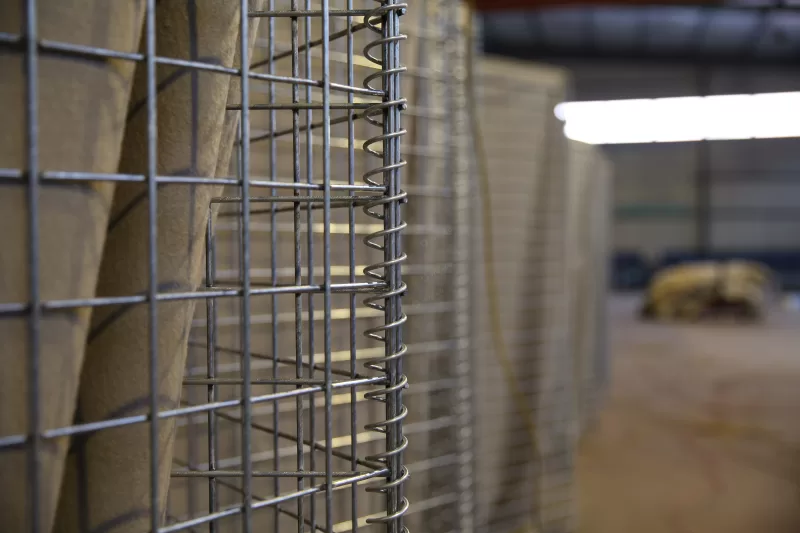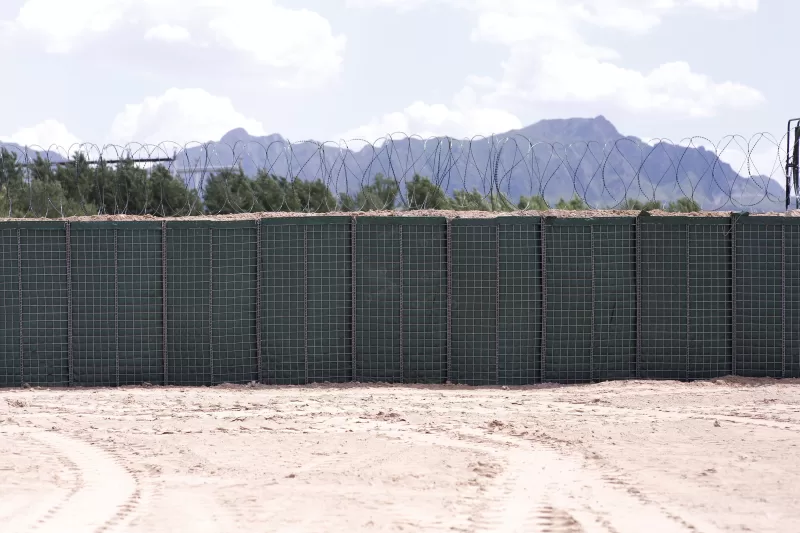
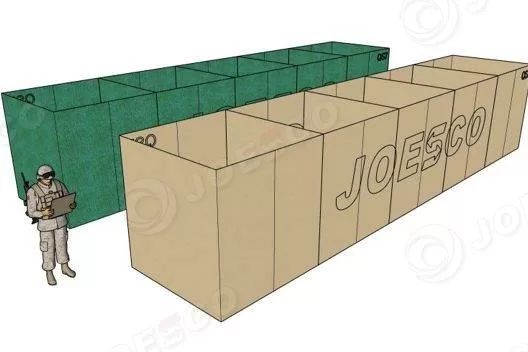
Product Overview
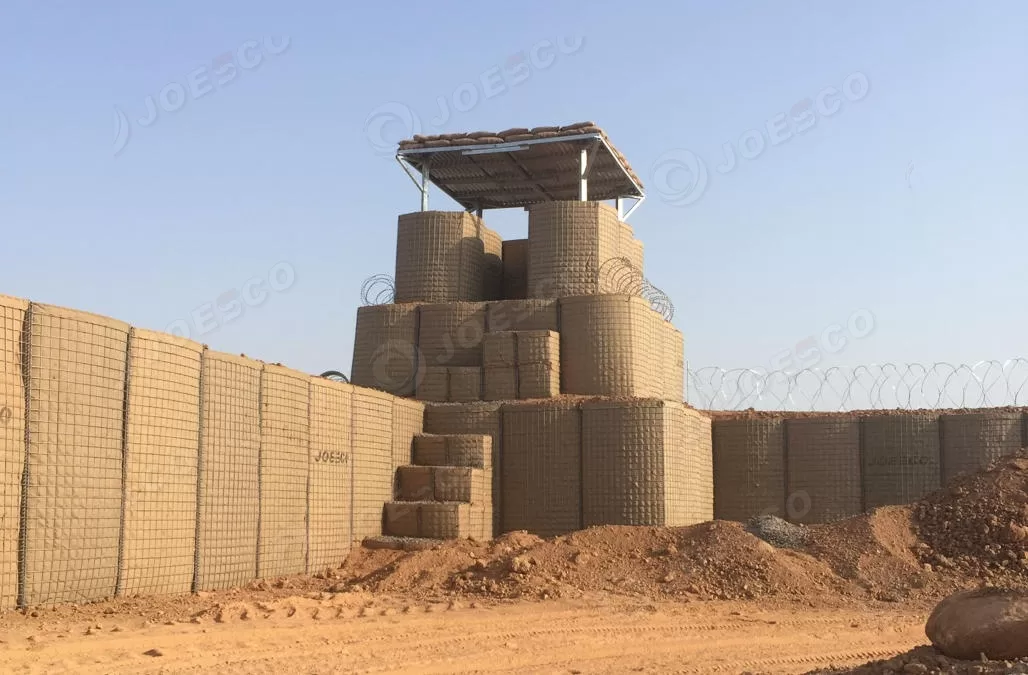
Key Features & Advantages
-
Exceptional Stability: The 2.13m width provides a broad base, reducing tipping risks on soft or saturated soils. This design is critical for flood zones and blast-prone areas where structural integrity is paramount. -
High-Speed Deployment: A 3-person crew with an excavator can install 100 linear meters in under 4 hours. Pre-assembled spiral connectors and reinforced seams accelerate alignment and interlocking. -
Multi-Threat Resilience: -
Blast Resistance: Withstands overpressure up to 15 PSI (equivalent to a 100kg TNT detonation at 10m distance) when filled with compacted sand-gravel mix. -
Flood Control: Holds against water currents exceeding 3.5m/s, validated in riverbank and coastal applications. -
Vehicular Impact: Stops 7.5-ton vehicles traveling at 50km/h, ideal for checkpoint security or construction zone protection.
-
Primary Applications
-
Military Base Fortification: Used to create perimeter walls that protect against blasts, fragments, and vehicle incursions. The height and width make it effective for shielding critical infrastructure within forward operating bases. -
Flood and Erosion Control: Deployed along riverbanks or coastal areas to stabilize slopes and divert water. The additional mass helps resist undermining during prolonged water exposure. -
Industrial Security: Safeguards oil refineries, chemical plants, and power stations by containing explosions or redirecting debris.
Technical Specifications
|
|
|
|---|---|
|
|
|
|
|
|
|
|
|
|
|
|
|
|
|
Why Choose the QS7?
-
Superior Stability: The wider base increases resistance to sliding and overturning, especially in saturated or uneven terrain. -
Cost Efficiency: Reusable design allows barriers to be relocated across multiple projects, reducing long-term costs by 50% versus concrete alternatives. -
Adaptability: Can be stacked or arranged in curves to fit complex terrain requirements.
Comparison with Other Models
|
|
|
|
|---|---|---|
|
|
|
|
|
|
|
|
|
|
|
|
How to Deploy the QS7
-
Site Preparation: Clear debris and level the ground. On slopes greater than 15°, anchor the first unit to bedrock. -
Unfold and Connect: Expand the barriers and link them using spiral connectors. Ensure gaps are less than 5mm. -
Filling: Use local fill material—sand for ballistic protection, gravel for drainage, or a mix for blast absorption. Compact in 30cm layers to achieve 95% Proctor density.
Case Study: Protecting a Coastal Power Plant
-
Deployed QS7 barriers in a terraced formation along the coastline. -
Filled with a mix of local sand and crushed limestone. Result: The barriers withstood a 2.5-meter storm surge and showed no signs of structural damage. The project was completed in 48 hours.